
January 31, 2026

Proverbs 31 presents King Lemuel’s mother’s counsel on righteous leadership and the portrait of the virtuous wife. This chapter addresses avoiding moral pitfalls, defending the vulnerable, and recognizing true worth in godly character. The wisdom here applies to leaders, families, and all believers seeking to honor God through faithful living rooted in the fear of the Lord.
Table of Contents
What Are the Key Themes in Proverbs 31?
Proverbs 31 contains two distinct sections: warnings against destructive behavior for leaders (verses 1-9) and the famous acrostic poem describing the virtuous wife (verses 10-31). King Lemuel’s mother teaches that leaders must avoid moral compromise, defend the afflicted, and judge righteously. The virtuous wife exemplifies strength, wisdom, industry, and the fear of the Lord as the foundation of true praise.
King Lemuel’s Mother: A Voice of Godly Counsel
The chapter opens with a unique introduction: “The words of King Lemuel, the utterance which his mother taught him.” This maternal instruction represents a powerful example of godly parenting and the transmission of wisdom across generations. While scholars debate Lemuel’s identity, the message itself carries divine authority as Scripture.
“What, my son? And what, son of my womb? And what, son of my vows?” Proverbs 31:2
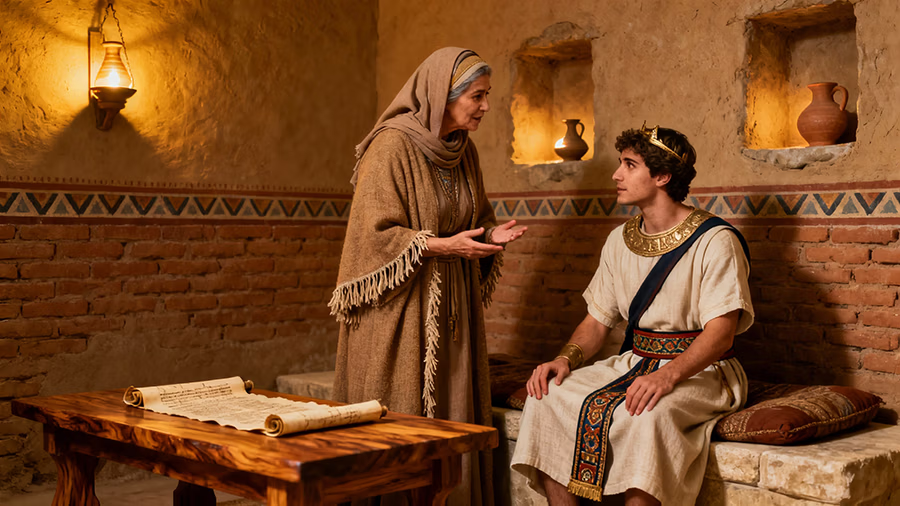
This threefold address emphasizes the mother’s deep personal investment in her son’s life. She speaks as one who bore him, nursed him, and dedicated him to God through vows. Her counsel flows from covenant faithfulness and maternal love, providing insight into how parents should guide children toward wisdom. The Proverbs daily meditation series offers believers systematic engagement with this wisdom literature, reinforcing the importance of consistent Scripture study.
Warnings Against Moral Destruction
King Lemuel’s mother delivers pointed warnings about behaviors that destroy leaders and nations:
“Do not give your strength to women, nor your ways to that which destroys kings. It is not for kings, O Lemuel, it is not for kings to drink wine, nor for princes intoxicating drink.” Proverbs 31:3-4
These warnings address sexual immorality and drunkenness as particular dangers for those in authority. History repeatedly demonstrates how these sins compromise judgment, pervert justice, and ultimately destroy kingdoms. Leaders who indulge their appetites cannot govern wisely or protect the vulnerable. This principle extends beyond political rulers to all who exercise influence, whether in families, churches, or communities.
The passage explains why such restraint matters: “Lest they drink and forget the law, and pervert the justice of all the afflicted” (Proverbs 31:5). Intoxication impairs moral reasoning and leads to injustice against those who most need protection. A Constitutional Republic depends on leaders who maintain clear minds and righteous character, recognizing that moral compromise at the top inevitably corrupts the entire system.
Defending the Vulnerable and Judging Righteously
After warning against self-destruction, Lemuel’s mother calls him toward positive action:
“Open your mouth for the speechless, in the cause of all who are appointed to die. Open your mouth, judge righteously, and plead the cause of the poor and needy.” Proverbs 31:8-9
True leadership involves advocating for those who cannot defend themselves. The “speechless” include the unborn, the oppressed, and anyone denied a voice in society. Righteous judgment requires speaking truth and administering justice without partiality. This teaching connects directly to the prophetic tradition that Chuck Frank explores in the G-Drop series on contemporary issues, where biblical principles illuminate current cultural and political challenges.

The Virtuous Wife: Worth Far Above Rubies
Beginning in verse 10, the famous acrostic poem presents the virtuous wife. Each verse begins with a successive letter of the Hebrew alphabet, creating a complete portrait of godly womanhood from A to Z.
“Who can find a virtuous wife? For her worth is far above rubies. The heart of her husband safely trusts her, so he will have no lack of gain.” Proverbs 31:10-11
The Hebrew word translated “virtuous” is chayil, which carries connotations of strength, valor, and capability. This same word describes mighty warriors and competent leaders elsewhere in Scripture. The virtuous wife is not weak or passive but powerful in wisdom and industry. Her worth exceeds precious gems because godly character produces lasting value that material wealth cannot match.
Industry, Wisdom, and Compassion in Action
The passage describes a woman of remarkable capability:
“She seeks wool and flax, and willingly works with her hands. She is like the merchant ships; she brings her food from afar. She also rises while it is yet night, and provides food for her household.” Proverbs 31:13-15
This woman manages household affairs with skill and diligence. She engages in commerce, real estate, and manufacturing. She rises early and works late. Her lamp does not go out by night as she tends to her family’s needs. This portrait challenges both ancient assumptions about women’s capabilities and modern tendencies toward idleness.
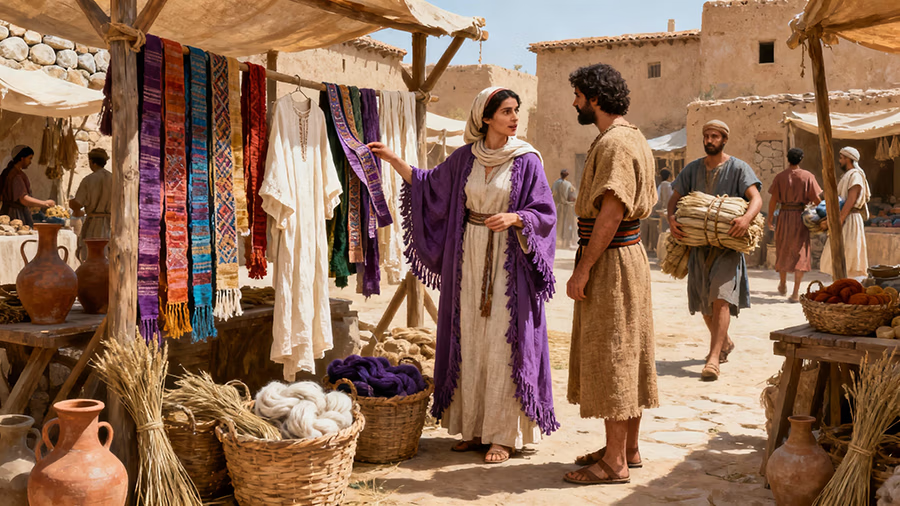
Significantly, her industry extends beyond her immediate family:
“She extends her hand to the poor, yes, she reaches out her hands to the needy.” Proverbs 31:20
True godliness always includes compassion for others. The Book of Ruth series demonstrates how faithful women like Ruth embodied these same qualities of diligence, loyalty, and care for others within God’s providential plan.
Strength, Honor, and Wisdom in Speech
The virtuous wife’s character shines through her demeanor and communication:
“Strength and honor are her clothing; she shall rejoice in time to come. She opens her mouth with wisdom, and on her tongue is the law of kindness.” Proverbs 31:25-26
She faces the future without fear because her character provides security that circumstances cannot shake. Her speech combines wisdom with kindness, reflecting the wisdom principles found throughout Proverbs. She watches over her household diligently and “does not eat the bread of idleness.”
The Fear of the Lord: Foundation of True Praise
The passage concludes with the essential truth underlying all the virtuous wife’s accomplishments:
“Charm is deceitful and beauty is passing, but a woman who fears the Lord, she shall be praised. Give her of the fruit of her hands, and let her own works praise her in the gates.” Proverbs 31:30-31
Physical beauty fades and charm can deceive, but reverence for God produces lasting character worthy of genuine praise. This connects Proverbs 31 to the book’s opening declaration that “the fear of the Lord is the beginning of wisdom” (Proverbs 1:7). The mission of Trust and Obey with Chuck Frank emphasizes this same foundation, recognizing that biblical truth applied to contemporary life requires hearts submitted to God’s authority.
Her works praise her publicly because actions reveal character more reliably than words. When her children and husband bless her, they recognize the fruit of godly living that benefits everyone around her.

Practical Application for Contemporary Believers
Proverbs 31 speaks to both men and women today. For leaders, it demands moral integrity, protection of the vulnerable, and righteous judgment. For those seeking spouses, it prioritizes character over appearance. For families, it models industrious, compassionate, and wise living that honors God and serves others.
The chapter reminds us that a Constitutional Republic requires citizens of virtue. When families produce men and women of godly character, society flourishes. When moral foundations crumble, no political system can sustain itself. The Five Smooth Stones series provides essential scriptural tools for developing the character that both individuals and nations require.
Conclusion: Living Proverbs 31 Today
Proverbs 31 challenges believers to pursue wisdom, embrace industrious service, and ground all of life in the fear of the Lord. Whether exercising leadership, building families, or serving communities, these principles guide faithful living that honors God and blesses others. The Resources section offers practical tools for systematic Scripture engagement, helping believers apply these timeless truths to contemporary challenges.
Let this chapter inspire you to examine your own character, work ethic, and reverence for God. The virtuous life described here remains attainable through the grace of Christ and the power of the Holy Spirit working in surrendered hearts.
Frequently Asked Questions (FAQs)
Who was King Lemuel in Proverbs 31?
King Lemuel’s identity remains uncertain, though some scholars suggest he may have been Solomon or another ancient Near Eastern king. What matters most is that his mother’s wisdom, preserved as Scripture, provides divine guidance for leaders and families across all generations.
Is Proverbs 31 only for women?
No. The chapter’s first nine verses address leaders directly, while verses 10-31 were originally written to help a young man recognize godly character in a potential wife. Both sections apply broadly: leaders of both sexes should avoid moral compromise and defend the vulnerable, while the virtuous wife’s qualities represent wisdom principles applicable to all believers.
What does “virtuous” mean in Proverbs 31:10?
The Hebrew word chayil means strength, valor, and capable excellence. It describes warriors and competent leaders elsewhere in Scripture. The “virtuous wife” is a woman of strength, industry, wisdom, and godly character rather than simply moral purity.
Further Reading
- Enduring Word Bible Commentary on Proverbs 31 – Comprehensive verse-by-verse exposition
- Blue Letter Bible Matthew Henry Commentary on Proverbs 31 – Classic Reformed commentary with historical context
- Bible Study Tools Proverbs 31 Analysis – Multiple translations and study notes
- GotQuestions: What Should We Learn from the Virtuous Woman? – Practical application guide
