
Proverbs 14 is one of the richest chapters in Solomon’s collection of wisdom, drawing sharp contrasts between the wise and the foolish, the upright and the wicked. Through 35 powerful verses, this chapter addresses building a godly home, guarding your speech, choosing honest labor, and walking in the reverential fear of the Lord. For believers navigating modern pressures, this chapter provides practical, life-giving truth that anchors the soul in God’s unchanging wisdom.
Table of Contents
The Wise Woman Builds, the Foolish Destroys
What does Proverbs 14:1 teach about wisdom in the home? Proverbs 14 opens with a foundational principle about influence: the wise woman builds her house through godly character and faithful stewardship, while the foolish tears it down with careless choices and destructive habits.
“The wise woman builds her house, but the foolish pulls it down with her hands.”
Proverbs 14:1 (NKJV)
This verse is not merely about physical construction. It speaks to the spiritual and relational atmosphere of a household. A wise person, whether husband or wife, invests daily in the family through patience, prayer, and disciplined love. The foolish person, by contrast, dismantles those same bonds through neglect, harsh words, and selfish living. As we explored in our study of Proverbs 31 and the virtuous wife, the strength of any home begins with wisdom applied intentionally to everyday life.
Uprightness, Pride, and the Power of Speech
How does this chapter connect uprightness to fearing God? Solomon draws a direct line between how we walk and whom we worship. Those who live with integrity demonstrate a genuine reverence for the Lord, while perversity in conduct reveals a heart that despises His authority.
“He who walks in his uprightness fears the Lord, but he who is perverse in his ways despises Him.”
Proverbs 14:2 (NKJV)
This chapter also warns that foolish speech is rooted in pride, while wise words bring protection and preservation (Proverbs 14:3). The consistent teaching of Solomon throughout the Proverbs series is that our words reflect our hearts. When pride rules the tongue, it becomes a rod of self-destruction. But as believers pursue wisdom for words and relationships, their speech becomes an instrument of life and healing.
Honest Labor, Faithful Witness, and True Knowledge
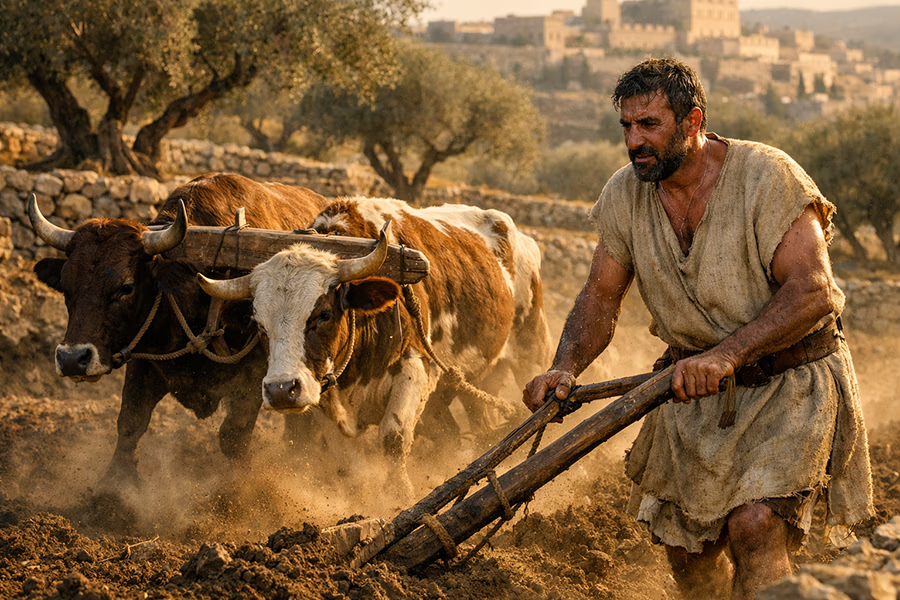
What does Solomon teach about hard work and honesty? Several verses in this chapter address the connection between diligent effort and spiritual character. Verse 4 offers a memorable illustration: where no oxen are, the trough stays clean, but real increase requires the mess and effort that come with productive work.
“In all labor there is profit, but idle chatter leads only to poverty.”
Proverbs 14:23 (NKJV)
This principle speaks directly to modern believers who face a culture saturated with empty talk and digital noise. Solomon insists that true progress demands honest effort, not mere words. The same chapter stresses truthful testimony, declaring that a faithful witness does not lie, while a false witness spreads destruction (Proverbs 14:5, 25). Those who studied our teaching on Proverbs 13 and diligent work will recognize this consistent thread throughout Solomon’s instruction. Additionally, understanding the parable of the talents reinforces that God calls every believer to faithful stewardship of the gifts and opportunities He provides.
The Deceptive Path and the Danger of Self-Reliance
What does “there is a way that seems right to a man” mean in Proverbs 14:12? One of the most sobering warnings in all of Scripture appears in the heart of Proverbs 14. Solomon cautions that human judgment alone is insufficient to navigate the complexities of life, and self-reliance without God leads ultimately to death.
“There is a way that seems right to a man, but its end is the way of death.”
Proverbs 14:12 (NKJV)
This proverb is so vital that God repeated it again in Proverbs 16:25. It serves as a sharp reminder that cultural approval, popular consensus, and personal confidence are unreliable guides. Only divine wisdom, received through Scripture and the Holy Spirit, illuminates the true path. The need for discernment is a theme explored throughout our Bible Messages series, where Chuck Frank consistently teaches that wisdom’s call and divine blueprint must override our natural inclinations.

Mercy, Justice, and Compassion for the Poor
What does Solomon teach about caring for the poor? This chapter addresses social responsibility with remarkable clarity, declaring that how we treat the vulnerable directly reflects our relationship with God Himself.
“He who oppresses the poor reproaches his Maker, but he who honors Him has mercy on the needy.”
Proverbs 14:31 (NKJV)
This verse teaches that contempt for the less fortunate is not merely a social failure but a theological offense. Every human being is made in the image of God, and to mistreat those in need is to insult the Creator who fashioned them. This principle connects powerfully to the mission of biblical charitable giving and modern generosity. The righteous response to poverty is not indifference but mercy, and as Solomon writes elsewhere, those who give to the poor lend to the Lord (Proverbs 19:17). Our commitment to building peace, character, and restraint naturally extends outward toward compassion for those who suffer.
The Fear of the Lord: A Fountain of Life
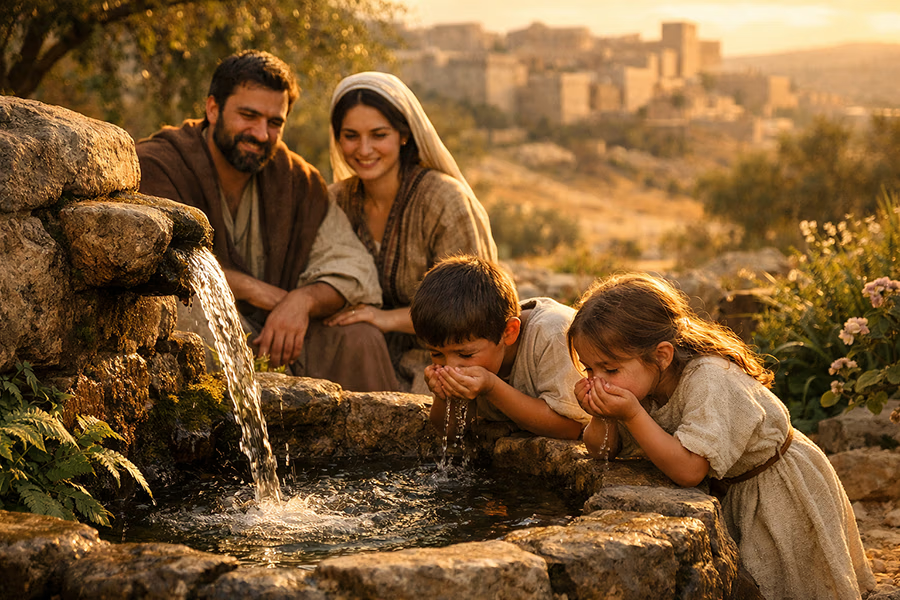
What does the fear of the Lord mean in this chapter? The climactic teaching of Proverbs 14 centers on the fear of the Lord as the foundation for confident living and generational blessing. This reverential awe of God is not terror but a deep, abiding trust in His sovereignty and holiness.
“In the fear of the Lord there is strong confidence, and His children will have a place of refuge. The fear of the Lord is a fountain of life, to turn one away from the snares of death.”
Proverbs 14:26-27 (NKJV)
The fear of the Lord is the consistent heartbeat of Solomon’s wisdom, echoing the foundational declaration of Proverbs 1:7 that it is the very beginning of knowledge. In Proverbs 14, this theme reaches its fullest expression. Families that walk in godly reverence create a spiritual refuge for their children. As the wider Proverbs study consistently demonstrates, this fountain of life overflows into the next generation. Believers who embrace this truth find that righteous living and discernment become the natural fruit of a life rooted in the fear of God.
Righteousness Exalts a Nation
How does Proverbs 14:34 apply to nations today? Near the close of this chapter, Solomon delivers one of the most politically significant statements in all of Scripture, with direct relevance to our calling as citizens of a Constitutional Republic.
“Righteousness exalts a nation, but sin is a reproach to any people.”
Proverbs 14:34 (NKJV)
This verse affirms the foundational conviction of our mission at Trust and Obey with Chuck Frank: a Constitutional Republic can only survive and thrive with a believing populace. National greatness is not built on military might alone, economic prosperity, or cultural influence. It is built on the collective righteousness of its people, rooted in obedience to God’s Word. When nations abandon moral truth, the result is disgrace and decline. Believers carry a sacred responsibility to engage with today’s concerns through the lens of biblical conviction, calling their communities and leaders back to the standard of God’s righteousness.
Conclusion: Walking the Path of Wisdom
Proverbs 14 presents a comprehensive vision for living wisely in a world that constantly tempts us toward folly. From building godly homes to speaking truthful words, from working diligently to showing mercy, and from fearing the Lord to pursuing national righteousness, this chapter calls every believer to live with intentional faith.
Take time this week to read through all 35 verses slowly and prayerfully. Ask the Holy Spirit to reveal areas where foolishness may have quietly taken root, and invite God’s wisdom to rebuild what has been neglected. Explore our resources for Christian growth and continue your journey through Solomon’s transformative teachings.
Frequently Asked Questions (FAQs)
What is the main theme of Proverbs 14?
The central theme of this chapter is the contrast between wisdom and folly, showing how each choice leads to radically different outcomes. It emphasizes that the fear of the Lord is the foundation for wise living, godly speech, honest work, and compassion for others.
What does “there is a way that seems right to a man” mean?
Proverbs 14:12 warns that human reasoning alone is an unreliable guide. A path may appear logical, popular, or even morally acceptable by cultural standards, yet lead to spiritual destruction. Only God’s Word provides a trustworthy compass for life’s most important decisions.
How does Proverbs 14 connect to modern Christian living?
This chapter addresses timeless issues that remain deeply relevant today: guarding your words, working with integrity, showing mercy to the poor, and raising children in the fear of the Lord. Its wisdom offers practical guidance for navigating relationships, careers, and civic responsibilities in a world that desperately needs biblical truth.
What does “righteousness exalts a nation” mean for believers today?
Proverbs 14:34 teaches that the moral character of a people determines the strength and honor of their nation. For Christians, this means our responsibility extends beyond personal holiness to building wisdom and defending the vulnerable in our communities and in the public square.
Further Reading and Resources
- Enduring Word Bible Commentary on Proverbs 14 – David Guzik’s verse-by-verse study offering scholarly insight into each proverb with practical application
- Blue Letter Bible: Proverbs 14 (NKJV) – Access original language tools, cross-references, and multiple commentary resources for deeper word study
- GotQuestions: How Is the Fear of the Lord the Beginning of Wisdom? – A clear biblical explanation of what it means to fear the Lord and why it is foundational to all wisdom
- BibleRef: Proverbs 14 Chapter Summary – A concise overview of Proverbs 14 with verse-by-verse explanations and cross-references
- Bible Study Tools: Proverbs 14 NKJV with Commentary – Full chapter text with Matthew Henry’s commentary for historical and devotional perspective


